For trekking
- Broken-in hiking boots and trekking poles
- Layered clothing — temperatures can swing 20°C between morning and night
- Sleeping bag rated for high altitude on teahouse routes
- Water purification tablets or a filter bottle

Preparation Guide
Everything you need before you land: visas, permits, packing, and the small details that make a Himalayan journey go smoothly.
At a glance
Before you fly
Most nationalities get a visa on arrival at Kathmandu airport or a land border. Indian citizens don't need one at all.
What to bring
Money & connectivity
| Mode | Best for |
|---|---|
| Domestic flights | Reaching Lukla, Pokhara, or Bharatpur quickly |
| Tourist buses | Kathmandu–Pokhara–Chitwan, comfortable and scenic |
| Private jeep | Reaching remote trailheads before a trek begins |
| Local taxis & microbuses | Getting around within cities |
On the trail
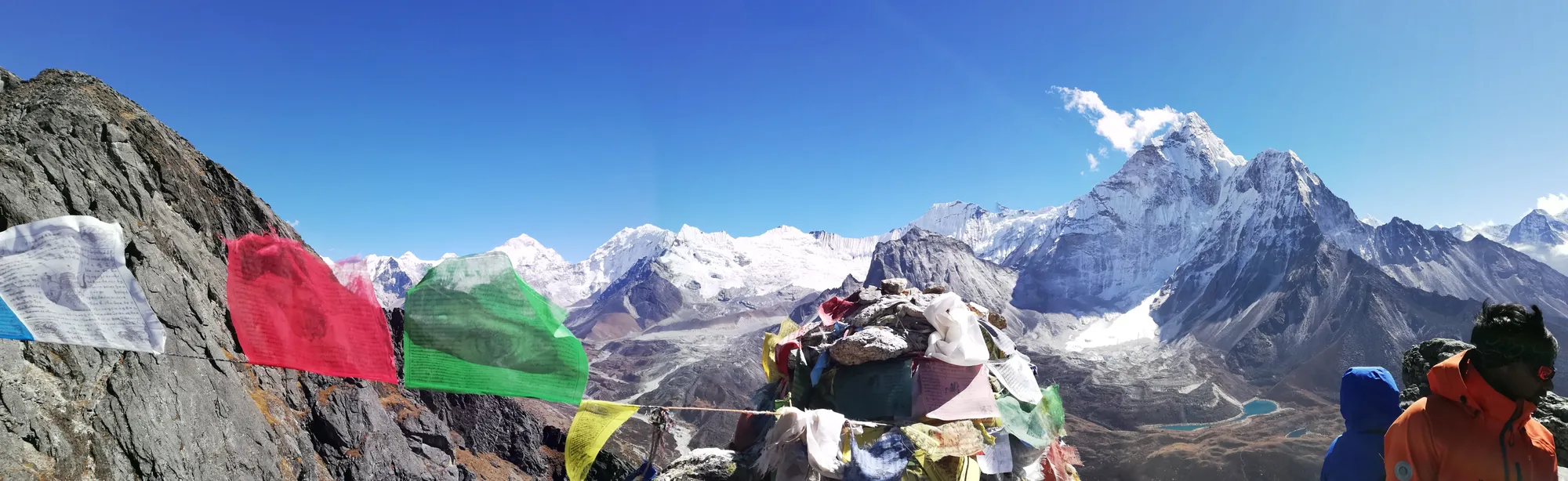
The trail does the talking here. On the way to a Langtang teahouse, you'll smell juniper smoke before you see the village it's coming from. In the Annapurna foothills, terraced fields turn gold in October, and the sound of prayer flags snapping in the wind carries further than you'd expect at 3,000 meters.
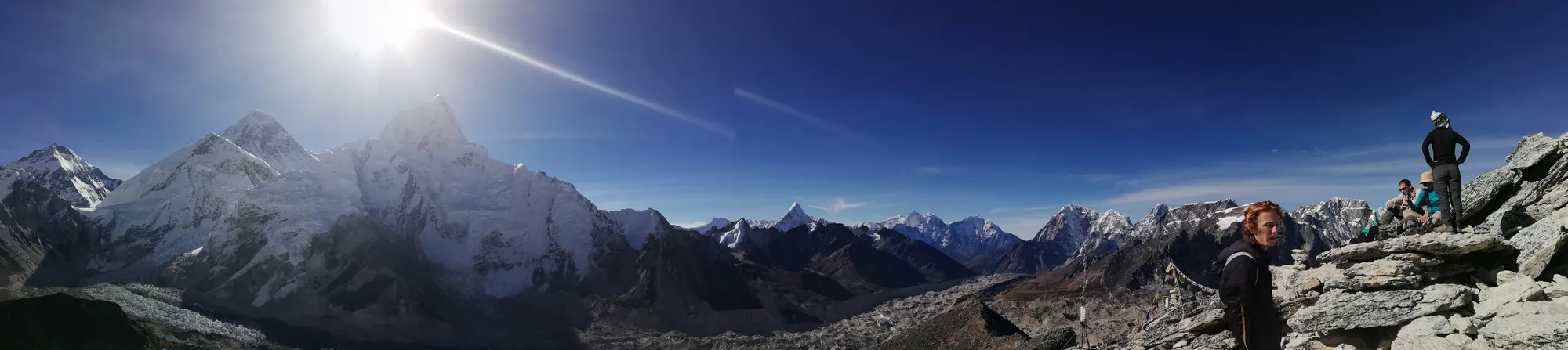
You'll need a TIMS card and the relevant conservation area or national park permit, a licensed guide, and built-in acclimatization days on any route above 3,000 meters.
Beyond the trail
The traditional greeting is "Namaste" with palms pressed together.
Dress modestly (cover shoulders/knees), remove shoes indoors, and walk clockwise around stupas.
Common questions
Autumn (Sept-Nov) and Spring (Mar-May) are the most popular seasons for clear skies and comfortable temperatures.
Yes! While main trails can be rainy and muddy, regions in the "rain shadow" like Upper Mustang and Dolpo are dry and excellent for summer trekking.
Solo trekking without a licensed guide isn't permitted on most major routes. A guide also means safer decisions at altitude and a richer sense of the villages you're passing through.
Yes, with the usual common-sense precautions. Sticking to reputable guides and lodges, especially in remote areas, is worth the small extra cost.
Yes. Even without altitude risk, medical evacuation and trip cancellation cover are worth having anywhere outside your home country.
Trails that reward you, villages that remember you, and a team that handles the paperwork so you don't have to.
